by 1021 | Oct 9, 2020 | Uncategorized
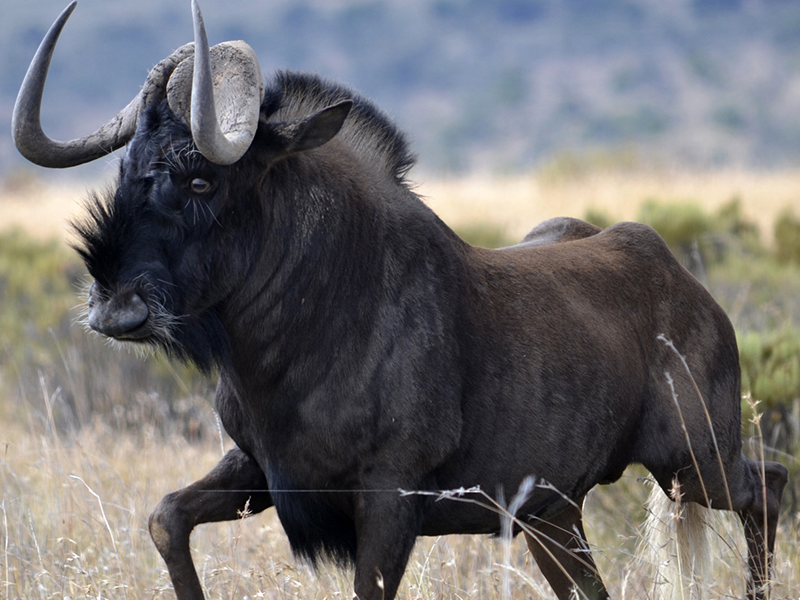
About the Species The most interesting fact about Black Wildebeest is their comeback from near extinction. It is noted that only 17 of these animals were left after being eradicated due to carrying Mucous Disease, but due to successful conservation efforts, their...

by 1021 | Oct 9, 2020 | Uncategorized
About the Species The waterbuck is of a robust build. The shaggy coat is reddish-brown to grey, and becomes progressively darker with age. Males are darker than females. Waterbuck are characterised by a long neck and short, strong and black legs. About the Hunt An old...

by 1021 | Oct 9, 2020 | Uncategorized
About the Species A great animal to approach and observe, but be warned an extremely difficult animal to read, will up and leave in a second for no apparent reason while feeding. Boars will often be double the size of sows in body weight, displaying 2 dominant warts...

by 1021 | Oct 9, 2020 | Uncategorized
About the Species Small antelope, slim and elegant with a short head with large ears and long legs. The general colour is a reddish-brown with light coloured to white under parts. The insides of the ears are white with black stripes. There is a black stripe on top of...

by 1021 | Oct 9, 2020 | Uncategorized
About the Species White Springbuck were developed by selective breeding; the colour of the skin is all white except for the dark facial stripes and eyelashes. The skin fold on the back is usually closed but when the animal becomes excited, it thrusts it open fanning a...

by 1021 | Oct 9, 2020 | Uncategorized
About the Species Similar to a common springbok, but a copper or caramel colour replaces the white found on the belly of the common springbok and below the side stripes. These are one of the rarer springbucks. Both sexes have horns. About the Hunt It is the newest...
